Skip to content

10 Signs Your Business Is at Risk of a Cyberattack — and How to Address Them
Key Takeaways
- Cybercriminals target businesses of every size — not just large enterprises.
- Warning signs include unusual login activity, outdated software, weak password practices, and missing backups.
- Human error, phishing, and poor cybersecurity awareness are leading causes of breaches.
- A Managed Service Provider (MSP) helps businesses detect risks, strengthen defenses, and respond quickly to incidents.
Introduction: Why Every Business Is a Target
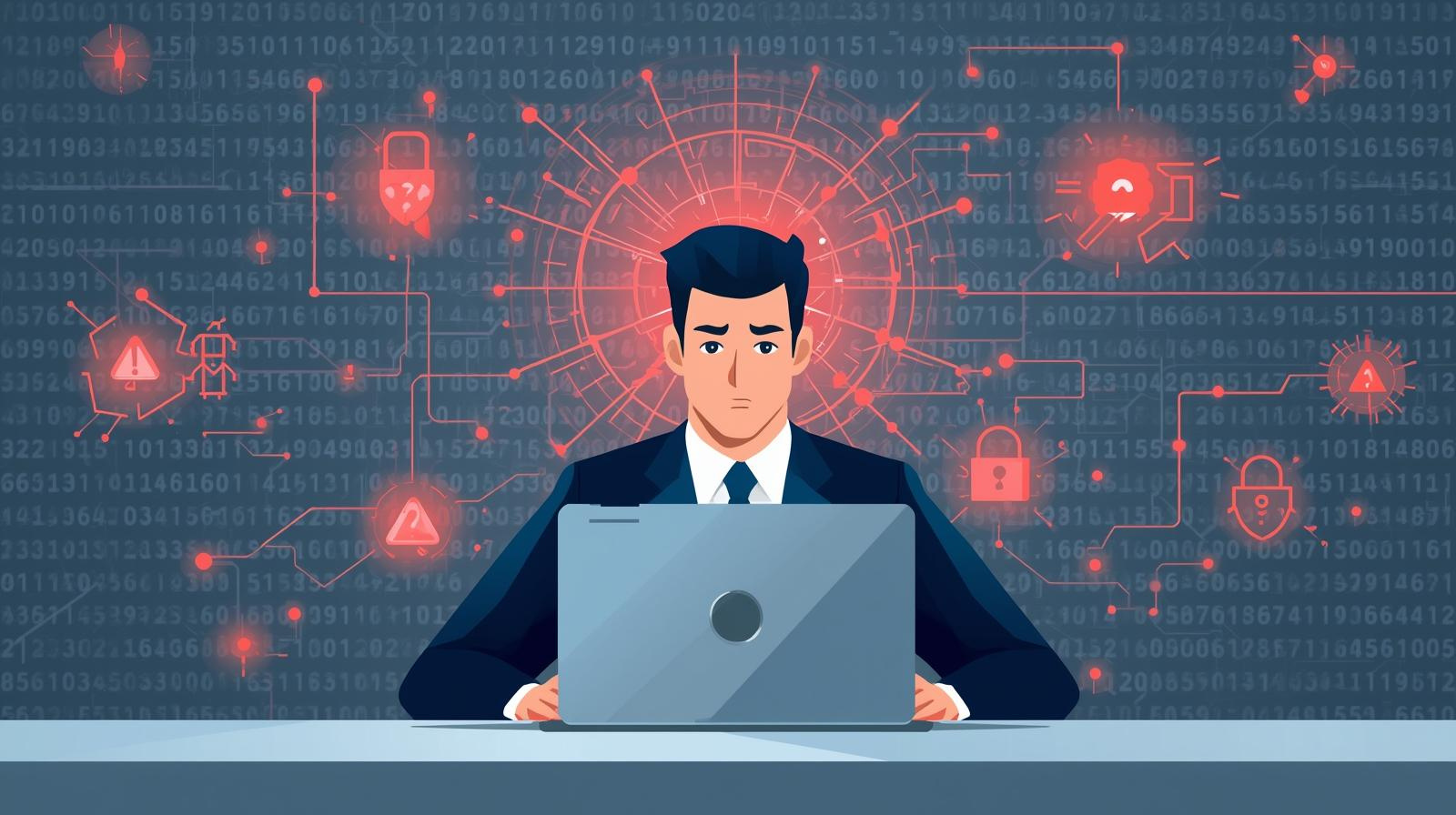
Cyberattacks aren’t limited to big brands making headlines. In fact, small and mid-sized businesses are often more vulnerable because they lack the dedicated teams and tools that large corporations have. Hackers actively scan for easy targets — outdated software, weak security, or careless employees — and exploit them without hesitation.
At Abantu Tech Solutions, we believe technology should be a source of confidence, not fear. Spotting the warning signs of a cyberattack early can mean the difference between a minor disruption and a business-ending crisis. Here are 10 signs your business is at risk of a cyberattack, and what you can do to protect your team, your data, and your customers.
1. Unexpected Security Alerts
Security alerts are often the first red flag. Antivirus warnings, login attempts from unfamiliar locations, or system changes you didn’t authorize all signal possible compromise.
If new or suspicious applications appear on your devices, don’t ignore them. These could indicate malware. Treat every unexplained alert as a potential threat and investigate immediately.
How an MSP Helps:
An MSP provides 24/7 monitoring and rapid response, analyzing alerts in real time to separate false alarms from real threats and acting before they escalate.
2. Suspicious Account Activity
Have you noticed multiple failed login attempts, employees suddenly locked out of their accounts, or passwords being changed without authorization? These are strong signs that someone may be probing your systems.
Logins at odd hours — especially from new devices or geographies — are another common signal of compromise.
How an MSP Helps:
MSPs track account activity through advanced logging and monitoring tools, blocking suspicious access and alerting you before data is stolen.
3. Locked Files or Ransom Messages
If files suddenly become inaccessible or you receive a ransom note demanding payment to restore them, your business is likely facing a ransomware attack. These attacks often encrypt data and set strict deadlines for payment.
How an MSP Helps:
An MSP ensures secure, tested backups and disaster recovery plans so you never have to consider paying ransom. Infected devices are isolated, cleaned, and restored quickly.
4. Surge in Phishing Emails
Phishing remains the most common entry point for cybercriminals. Fake invoices, urgent wire transfer requests, or login prompts designed to steal credentials can trick employees who aren’t trained to spot them.
Research shows that nearly 68% of breaches involve human error, often linked to phishing or social engineering.
How an MSP Helps:
MSPs provide employee awareness training, simulated phishing campaigns, and email security tools to filter out most threats before they reach inboxes.
5. Lack of Security Awareness Training
If your staff hasn’t had regular training on cybersecurity basics, your risk is significantly higher. Many employees don’t know how to recognize malicious links or why password hygiene is critical.
How an MSP Helps:
A good MSP incorporates ongoing security awareness training into their service, using workshops, simulations, and refreshers to keep employees vigilant.
6. Outdated Software and Missed Updates
Every unpatched system is like leaving your front door unlocked. Cybercriminals actively exploit known vulnerabilities in outdated software. Missing updates or delaying patches is one of the fastest ways to invite an attack.
How an MSP Helps:
MSPs manage patching and updates systematically across all devices, ensuring vulnerabilities are closed before hackers exploit them.
7. Weak Access Controls and Password Management
Relying on simple or reused passwords is a recipe for disaster. Without strong password policies and multi-factor authentication (MFA), attackers have easy access to sensitive accounts.
How an MSP Helps:
An MSP enforces best practices: MFA, password vaults, and regular audits of privileged accounts. This drastically reduces the risk of account takeover.
8. Inadequate Network Security
A poorly configured firewall, inactive antivirus software, or outdated endpoint protection tools all leave gaps in your defenses. Without active monitoring, malicious traffic may move freely across your network. Locked files and ransom demands are among the most urgent warning signs you’ll get.
How an MSP Helps:
MSPs configure firewalls, deploy enterprise-grade endpoint protection, and continuously monitor network activity to detect and block threats.
9. Data Vulnerabilities and Backup Failures
If your business lacks a consistent, secure backup routine, you risk permanent data loss from ransomware, hardware failure, or accidental deletion. Even if backups exist, failing to test them regularly is just as dangerous.
How an MSP Helps:
An MSP implements reliable, automated backup solutions — stored both onsite and in the cloud — and tests them regularly to ensure data can be restored quickly.
10. No Incident Response or Recovery Plan
Without a clear plan, even a minor cyber incident can spiral into a full-scale disaster. Businesses without documented response processes lose critical time, worsening the damage.
How an MSP Helps:
MSPs develop and test incident response and disaster recovery plans tailored to your business. This ensures that when an incident occurs, everyone knows their role and recovery is swift.
The Consequences of Ignoring Cyber Risks
Failing to address these warning signs isn’t just risky — it’s costly. The fallout can include:
- Operational downtime: Lost sales and disrupted services.
- Financial losses: Ransom payments, recovery costs, and fines.
- Reputational damage: Loss of customer trust and negative publicity.
- Legal exposure: Non-compliance with data protection laws like PIPEDA.
Cybercriminals don’t stop after one attack. Once they find a weakness, they often return — or sell the vulnerability to others.
Building a Stronger Cybersecurity Strategy

Protecting your business doesn’t require a massive in-house security team. It requires consistency, vigilance, and the right partner.
1. Implement Security Best Practices
- Enforce unique, complex passwords
- Deploy MFA on all accounts
- Train employees on phishing awareness
- Keep all systems updated
- Encrypt sensitive data
- Regularly back up and test backups
2. Partner With a Managed Service Provider
An MSP provides access to cybersecurity expertise, advanced monitoring tools, and a team that’s always watching your environment. By outsourcing IT security, you gain:
- 24/7 monitoring and threat detection
- Proactive patch management
- Employee training and awareness programs
- Backup and disaster recovery
- Compliance support
3. Conduct Regular Security Audits
Annual security audits, vulnerability scans, and penetration tests help identify weak spots before attackers do. With an MSP, these become part of your routine, not a last-minute scramble.
The Bottom Line
Every business is a potential target for cybercriminals. From phishing emails and outdated software to weak passwords and missing backups, the risks are real — and often overlooked until it’s too late.
At Abantu Tech Solutions, we believe cybersecurity isn’t just about tools. It’s about empowering teams, protecting progress, and enabling businesses to thrive with confidence.
By spotting the signs early and working with a Managed Service Provider, you can reduce risks, protect your reputation, and ensure your business is resilient against today’s cyber threats.
Don’t wait for an incident to reveal the gaps. Contact Abantu Tech Solutions today to strengthen your defenses.